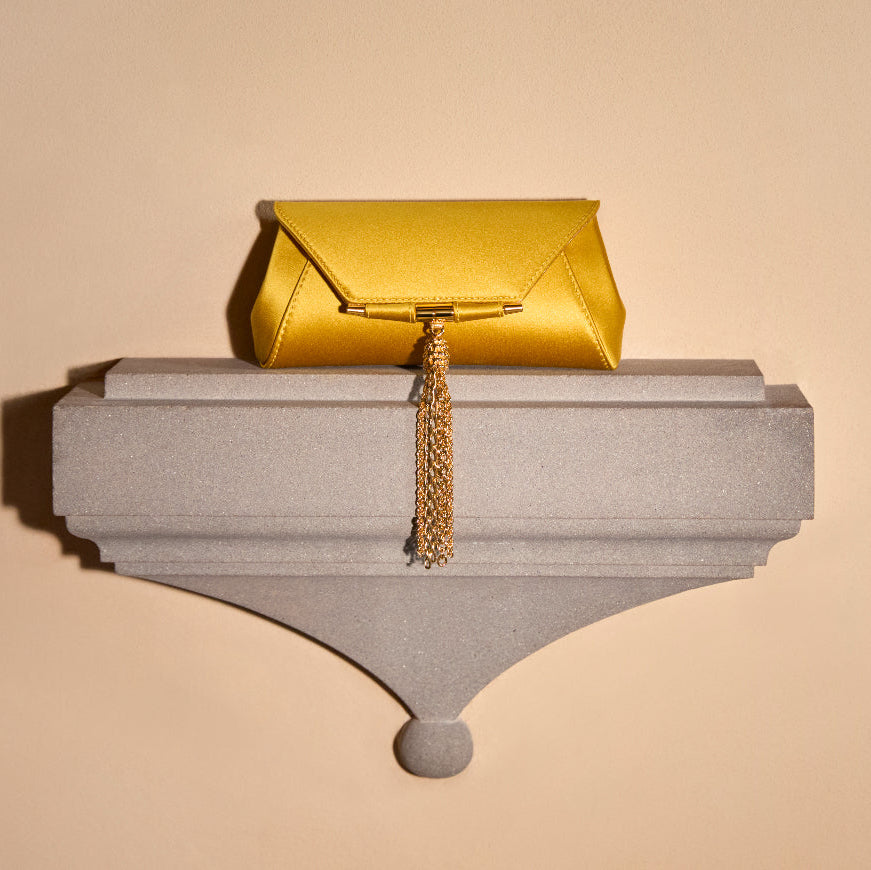

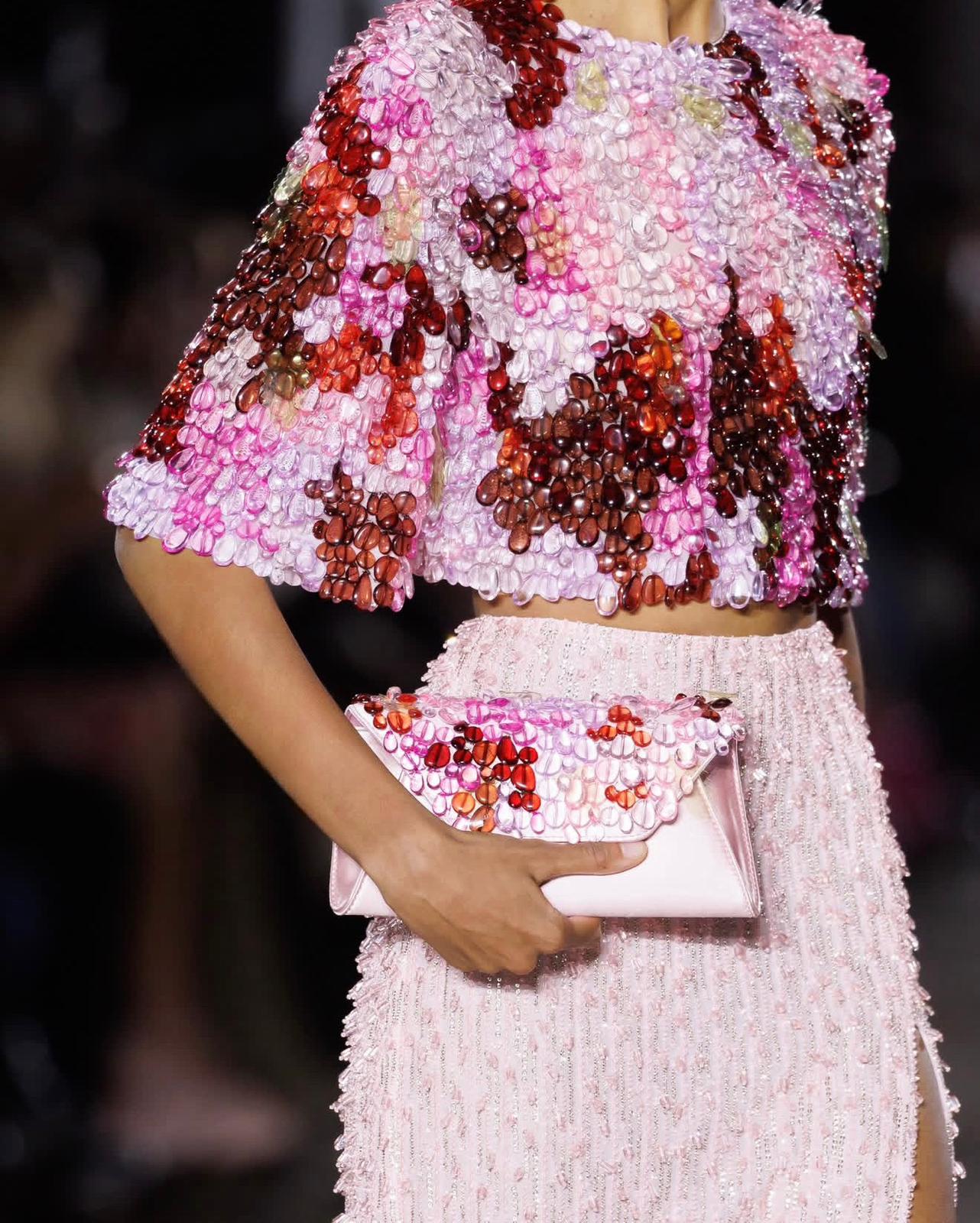
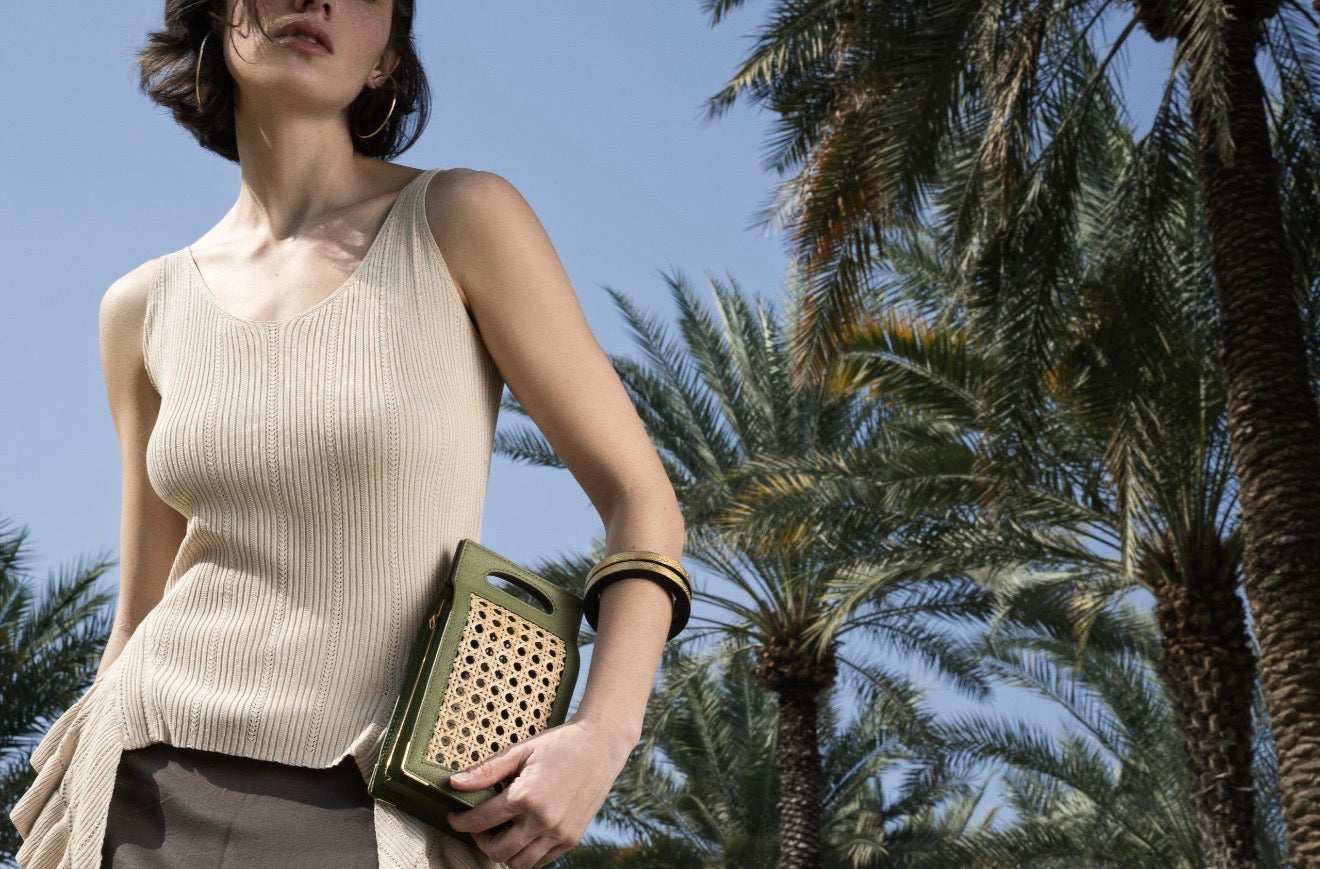
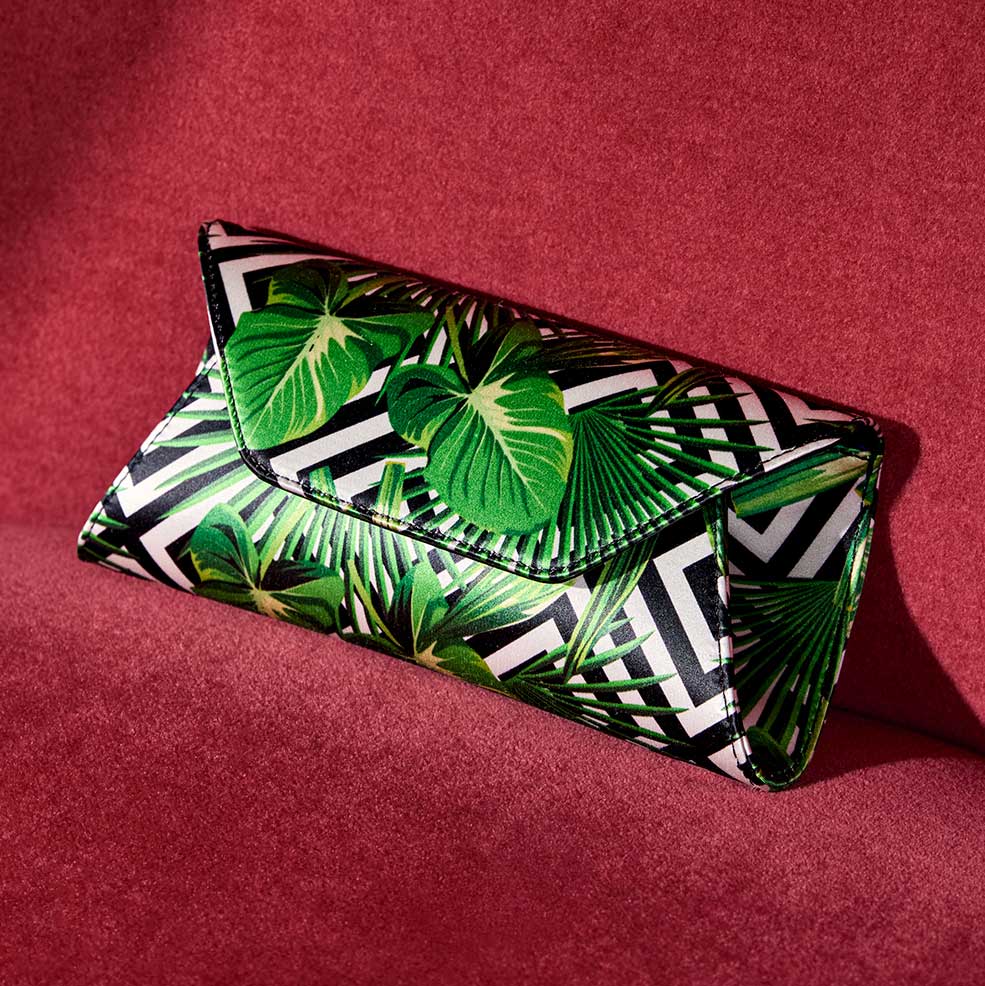
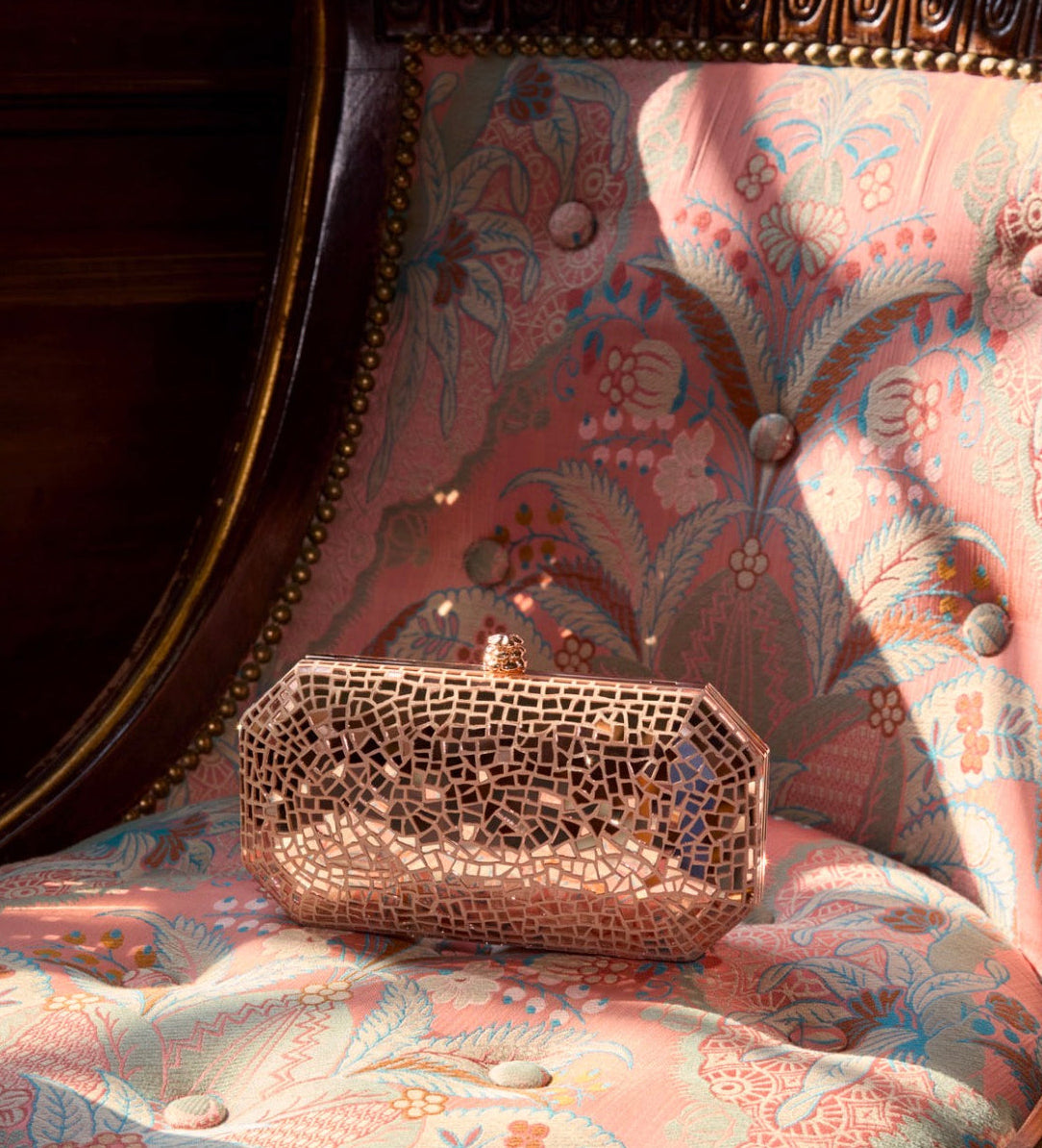
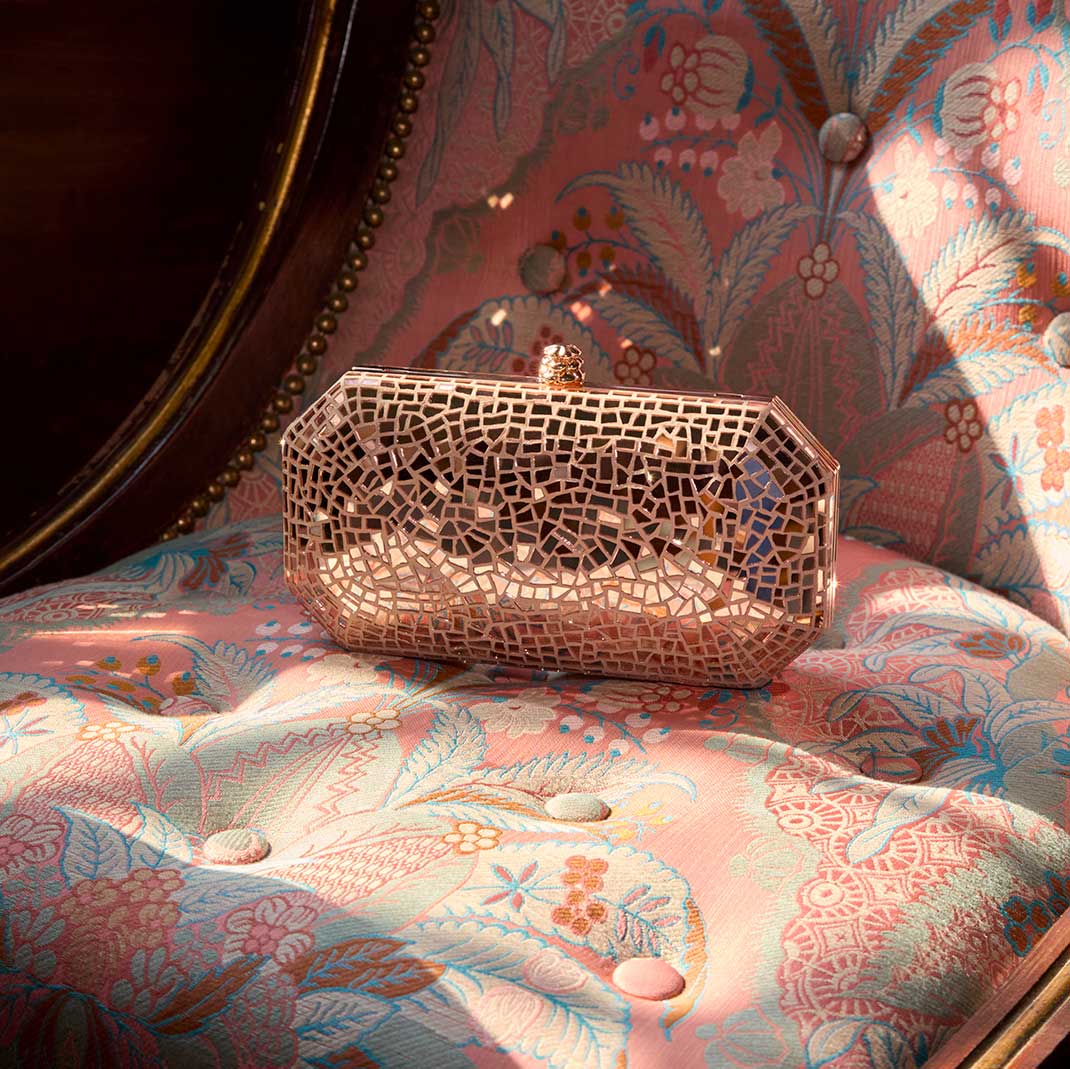
The Perry is inspired by Tyler’s engagement ring and named in honor of her father, Perry Ellis. Its distinctive emerald silhouette is finished with our symbolic Pinecone closure. It features a detachable shoulder chain and comfortably fits a large iPhone. The interior is lined in our signature Amalfi Blue.


Perry Clutch 20
Lavender Satin
To customize materials, colors and embroidery, please email bespokeconcierge@tylerellis.com or call +1 310.592.9145. Our dedicated team is at your disposal.
- We work solely with highly trained Italian artisans
- Materials used come from tanneries who put social aspects first, strive to minimize their environmental footprints and preserve the health and safety of their workers
- All velvets used are PFC (per- and poly-fluorinated chemicals) free
Please email us for any personalized requests.
bespokeconcierge@tylerellis.com
Perry Clutch 20
Sale price$2,950
Choose options
Perry Clutch 20
Sale price$2,950